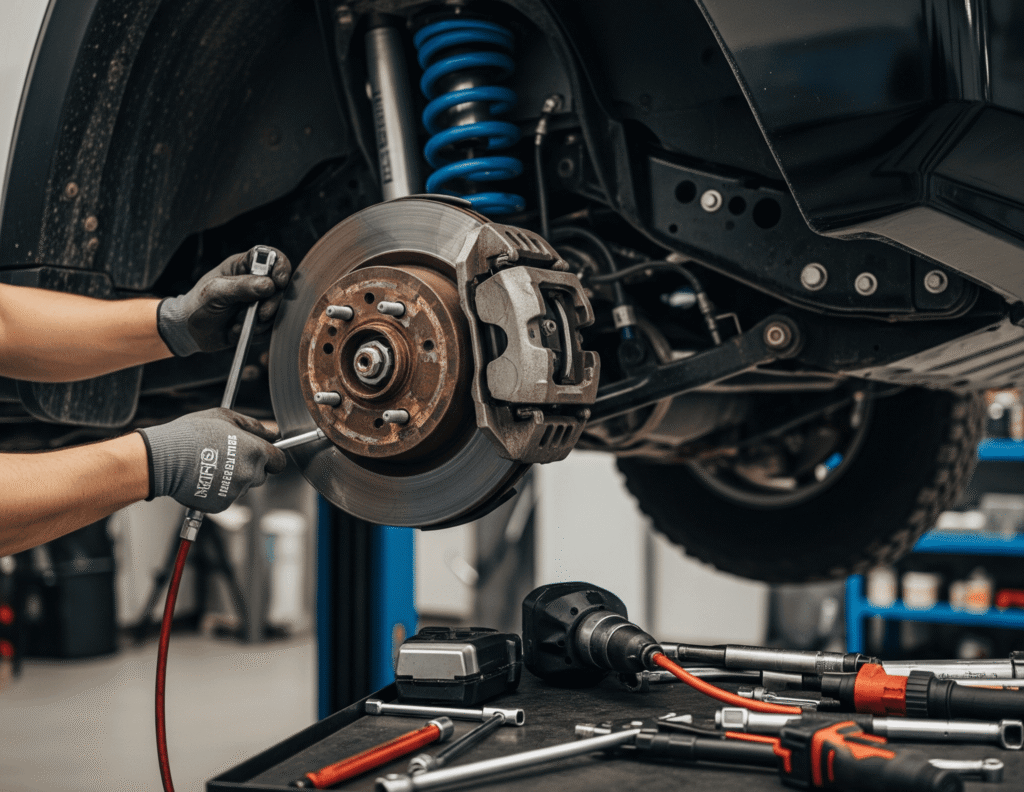
A well-functioning brake system is vital for your car’s safety. Delaying brake service or repairs can put your life and the safety of others at risk. If you notice any issues with your brakes whether it’s a strange noise, spongy pedals, or reduced stopping power contact Best4x4 Rebuild Engine for a quick inspection. We specialize in brake repair and replacement services for 4×4 vehicles, including popular models like Land Rover, Jaguar, and BMW.
Our experienced technicians are ready to inspect your vehicle, identify issues, and provide efficient solutions. Don’t wait for your brake system to fail come in for a brake check-up and ensure your car is roadworthy.
Brake pads and discs play a crucial role in the overall functioning of your vehicle’s braking system. When your brake pads wear down or the discs become damaged, it can significantly affect your car’s stopping power, leading to unsafe driving conditions. Here at Best4x4 Rebuild Engine, we offer comprehensive brake pad and disc replacement services to keep your vehicle performing at its best.
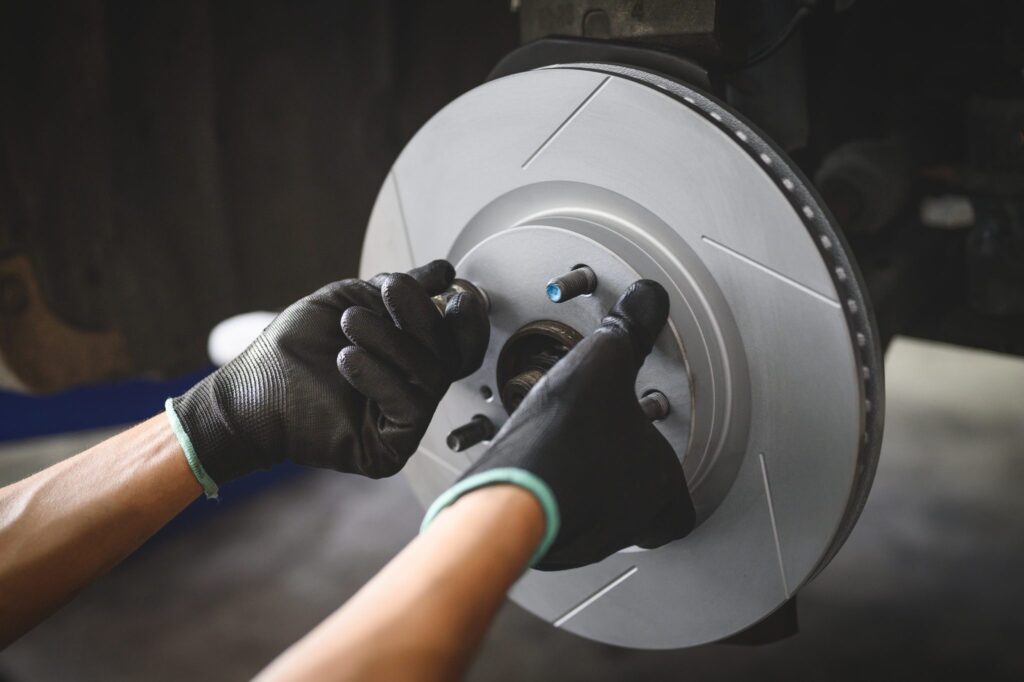
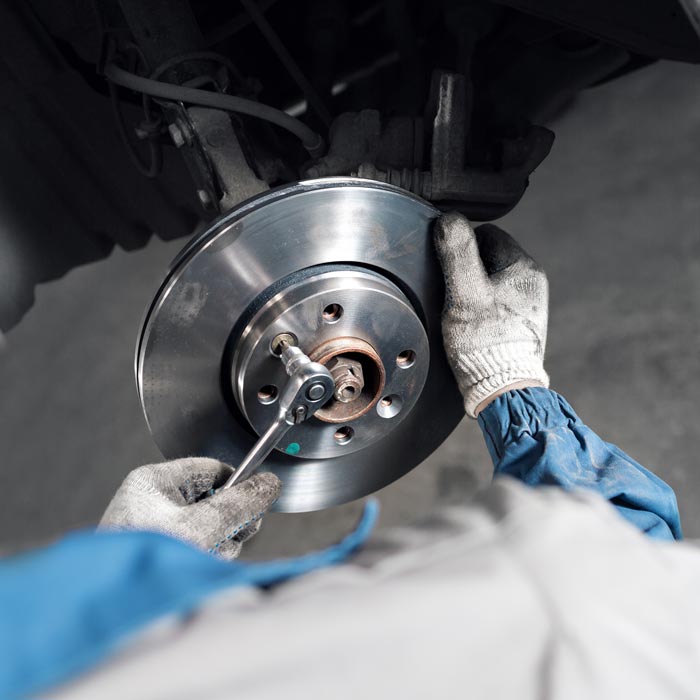
Brake pads wear out over time, and if not replaced on schedule, they can cause further damage to the brake discs, leading to costly repairs. When brake pads wear thin, the metal parts can grind against the brake discs, causing grooves and weakening the braking system. Early replacement helps maintain smooth braking performance and protects other components of your brake system.
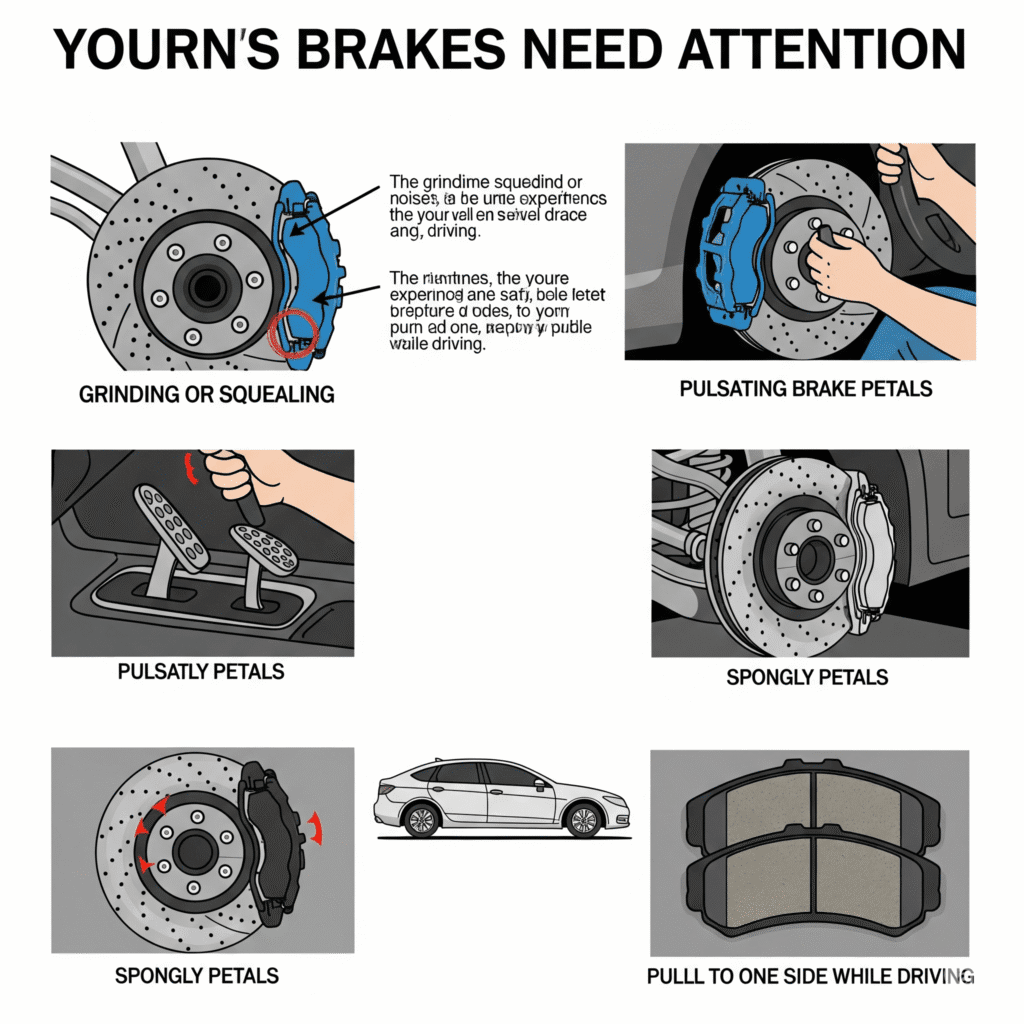
If you notice any of these symptoms, it’s time to replace your brake pads and discs:
At Best4x4 Rebuild Engine, we use high-quality parts and perform thorough inspections to ensure your brake system is working efficiently.
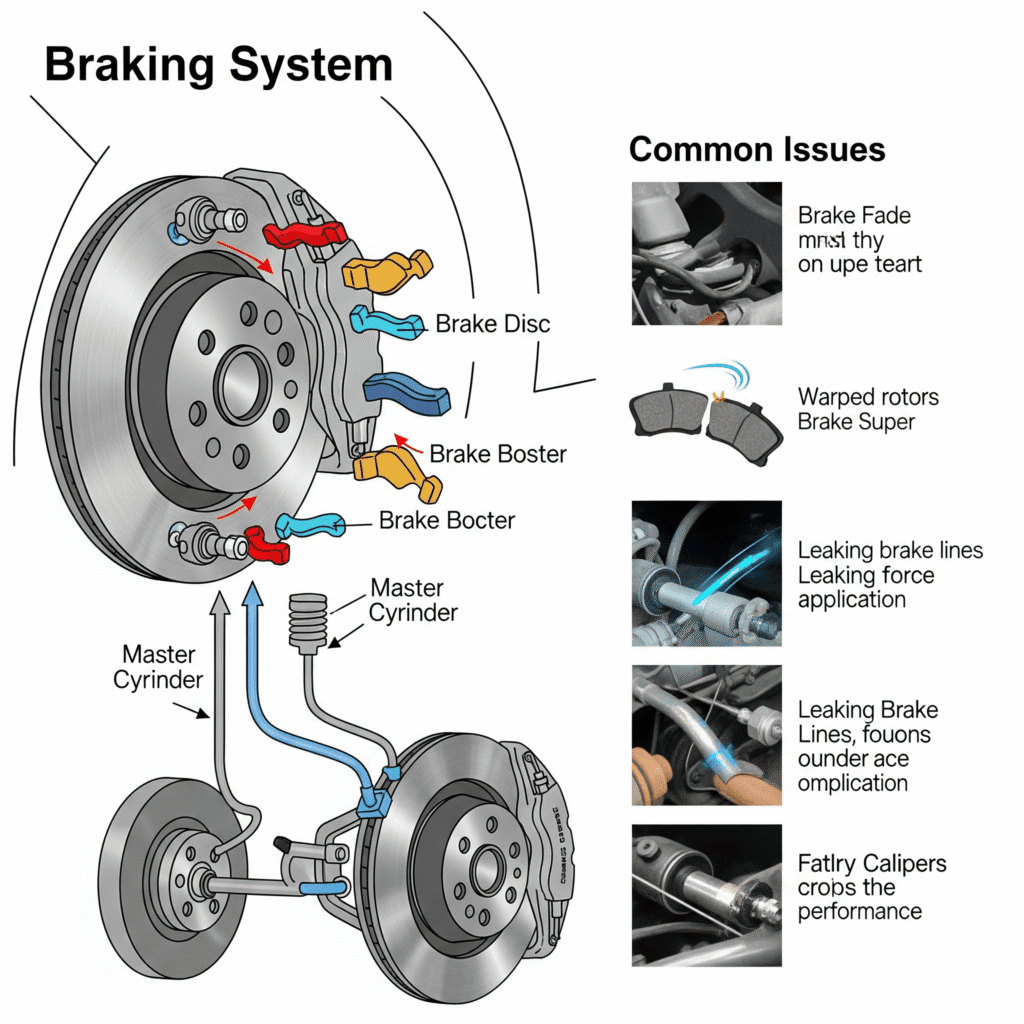
The braking system in your vehicle operates through a hydraulic system that relies on brake fluid. When you press the brake pedal, it activates a piston that pushes brake fluid through the brake lines, providing the necessary force to stop the wheels.
Over time, as with any car part, brakes wear out. A variety of issues can arise, such as fluid leaks, worn-out pads, or issues with the brake calipers. Regular brake service is essential to ensure everything is functioning optimally. Neglecting brake repairs can lead to dangerous situations on the road.
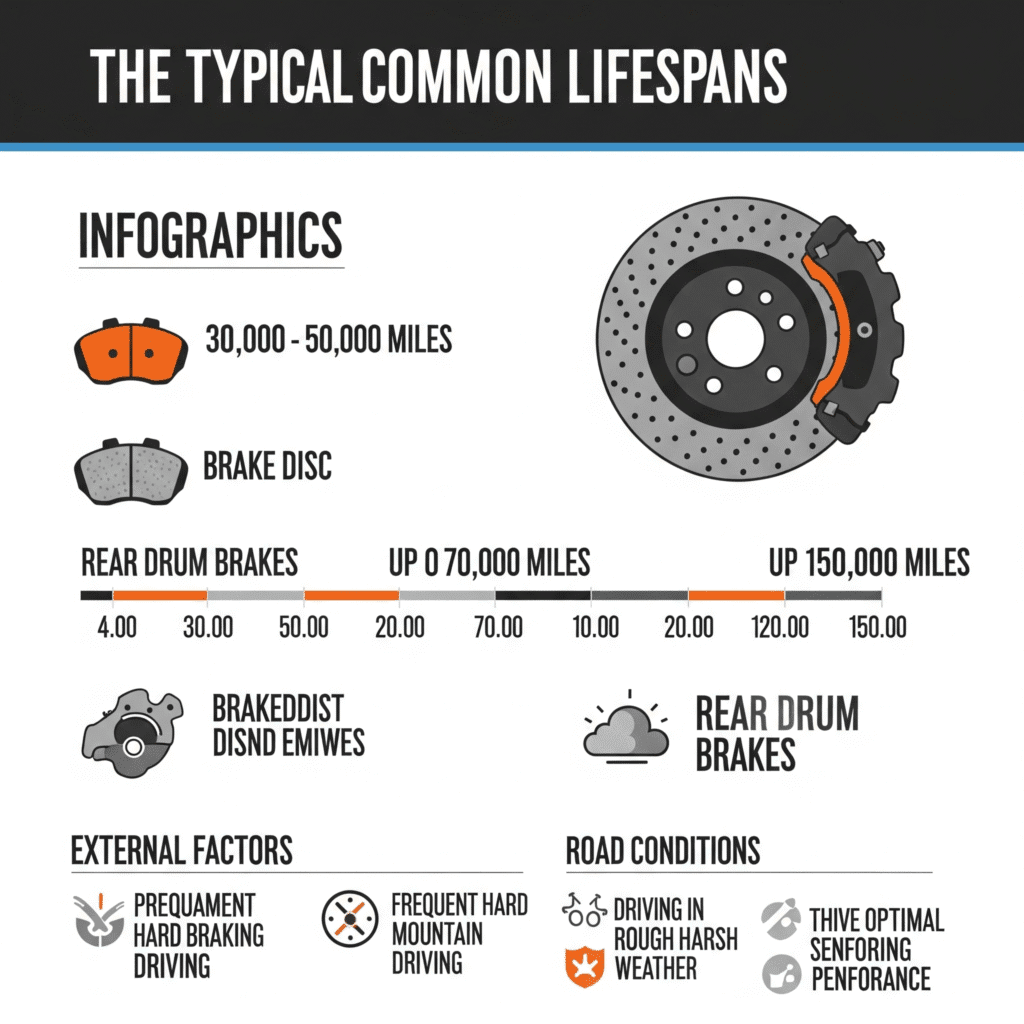
It depends on your driving habits and vehicle usage, but brake pads typically need replacing every 30,000 to 50,000 miles. If you notice any of the symptoms mentioned above, it’s essential to check your brakes sooner.
No, you should not continue driving with grinding brakes. Grinding noises usually indicate that the brake pads are worn down completely, and the metal components are rubbing against each other. This can damage your brake discs, leading to more costly repairs.
A spongy brake pedal is often caused by air in the brake lines due to a fluid leak. If you experience this issue, get your brakes inspected immediately as it can significantly reduce braking efficiency.
Avoid harsh driving, such as hard braking or riding the brake pedal. Also, try to avoid heavy loads and excessive weight in your vehicle, which can put extra strain on your braking system.
Brake calipers usually last the life of the vehicle, but they can fail due to rust, wear, or corrosion. If you notice a sticking brake, vibrations, or unusual noises when braking, it may be time to replace the calipers.
Get the advice that all Jaguar & Land Rover drivers should know staight in your inbox.