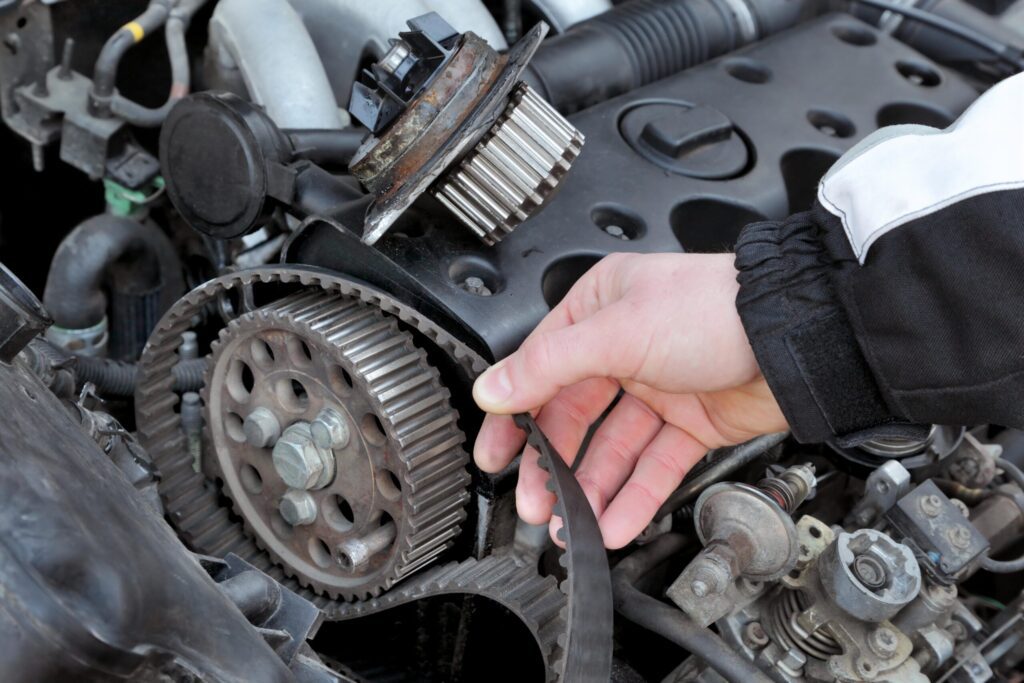
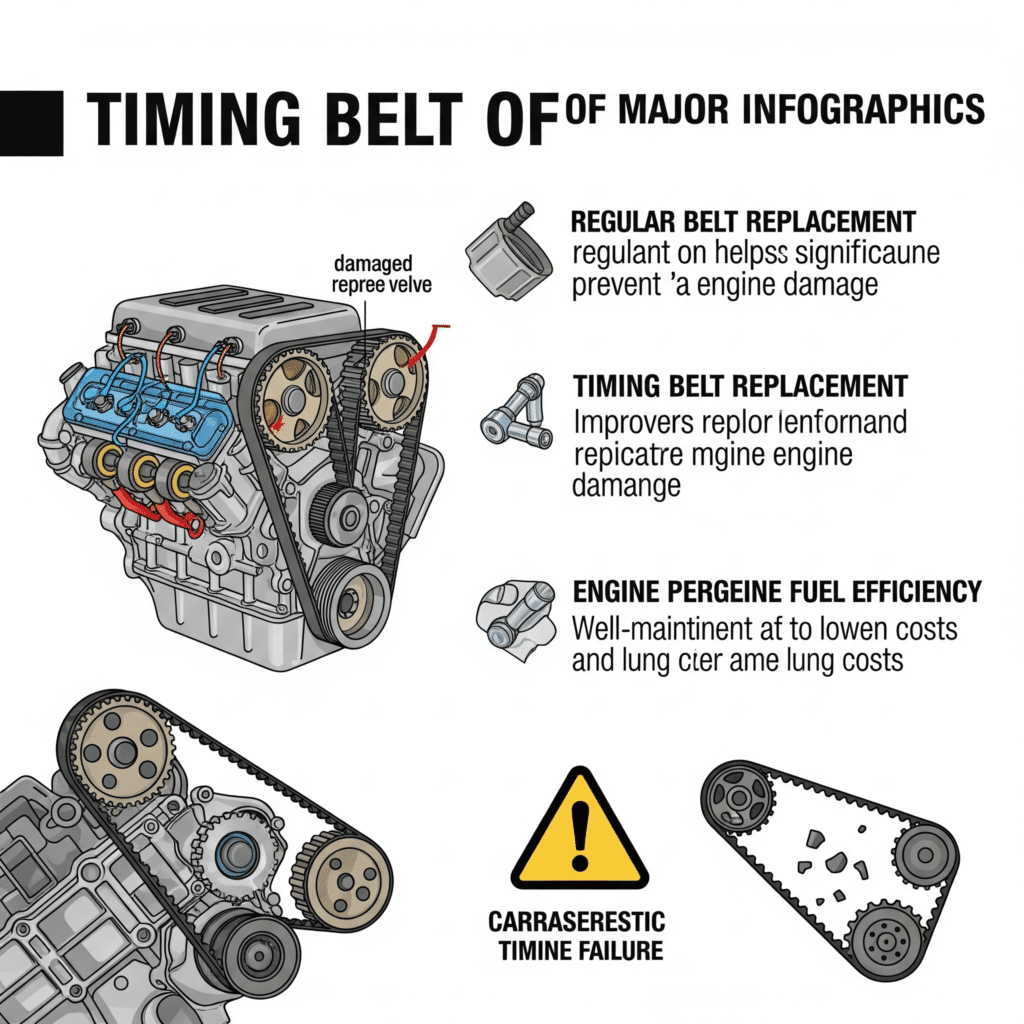
The timing belt (or cam belt) is one of the most crucial components of your vehicle’s engine. It ensures that the engine’s camshaft and crankshaft remain in sync, allowing the engine to function properly. If the timing belt wears out or breaks, it can lead to significant engine damage, which can be costly to repair. At Best4x4 Rebuild Engine, we offer professional timing belt replacement services for all types of 4×4 vehicles, including Land Rover, Jaguar, BMW, and more.
Replacing the timing belt at the recommended intervals is vital to avoid expensive engine repairs and maintain your vehicle’s performance. Our experienced technicians will handle the timing belt replacement with precision and care, ensuring your engine runs smoothly for thousands of miles to come.
Timing belts don’t last forever. Most manufacturers recommend replacing the timing belt after 60,000 to 100,000 miles, depending on your vehicle’s make and model. Driving with a worn or damaged timing belt can lead to serious engine malfunctions or even catastrophic engine failure.
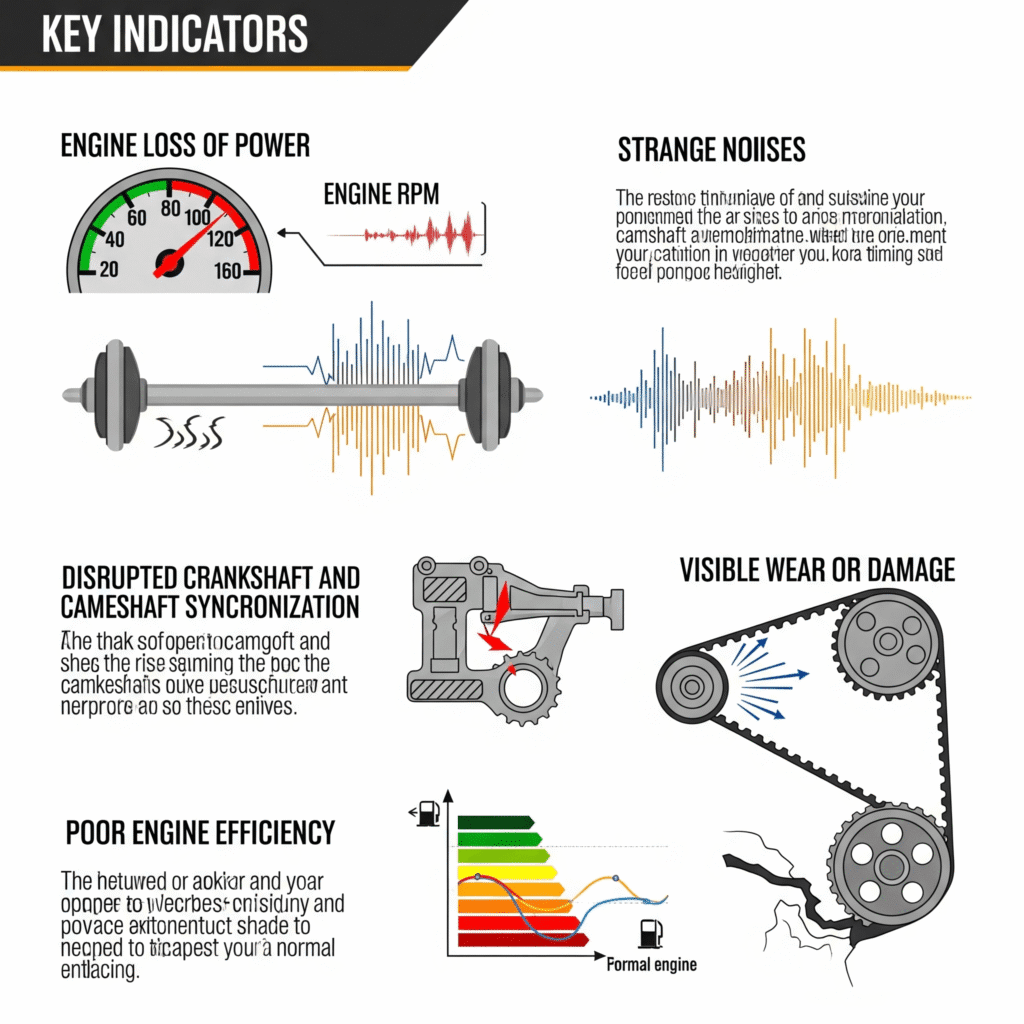
Engine Loss of Power: If you experience a loss of power or reduced engine performance, it may be due to a worn timing belt affecting the engine’s efficiency.
Strange Engine Noises: Knocking, ticking, or unusual noises from the engine could indicate that the timing belt is wearing out or slipping.
Disrupted Crankshaft and Camshaft Synchronization: If the timing belt becomes worn or damaged, it can cause an imbalance between the crankshaft and camshaft, leading to engine performance issues.
Poor Engine Efficiency: A timing belt in poor condition can lead to a drop in engine efficiency, causing poor fuel economy and reduced performance.
Visible Wear or Damage: If you notice visible cracks, fraying, or other signs of wear on your timing belt, it’s time to replace it.
If you notice any of these symptoms or if your vehicle is approaching the recommended mileage for timing belt replacement, contact Best4x4 rebuild engine for an inspection and replacement.
Replacing the timing belt is essential for maintaining the overall health of your engine. While a faulty timing belt may not cause immediate issues, neglecting to replace it can lead to severe engine damage. A broken timing belt can cause the engine’s pistons and valves to collide, potentially resulting in costly repairs or a complete engine replacement.
At Best4x4 Rebuild Engine, we recommend replacing your timing belt at the manufacturer’s recommended intervals to avoid unexpected breakdowns and costly repairs.
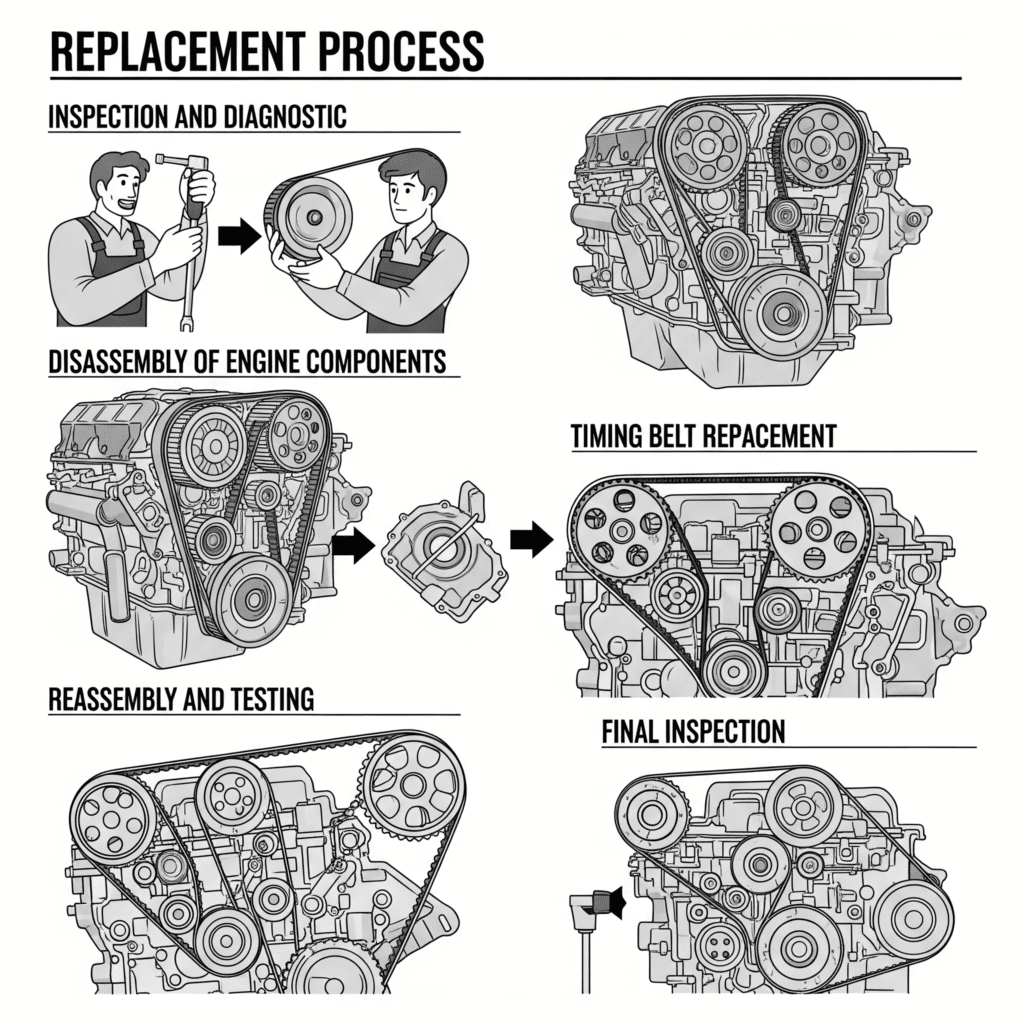
Replacing the timing belt is a complex process that requires careful attention to detail. At Best4x4 Rebuild Engine, our technicians are highly trained in timing belt replacement for all types of vehicles, including Land Rover, Jaguar, BMW, and other 4×4 models. Here’s the process we follow:
Inspection and Diagnostic: Our technicians will first inspect your vehicle to ensure the timing belt needs replacement. We’ll check for signs of wear, damage, or unusual noises that indicate a problem.
Disassembly of Engine Components: Replacing the timing belt involves disassembling parts of the engine to access the belt. Our technicians work with precision to safely remove the old timing belt without causing damage to other components.
Timing Belt Replacement: We’ll replace the old timing belt with a new, high-quality belt that matches your vehicle’s specifications.
Reassembly and Testing: After the new timing belt is installed, we reassemble the engine components and perform a test drive to ensure everything is functioning correctly. We check for proper timing and engine performance.
Final Inspection: We conduct a thorough inspection to make sure that the timing belt is correctly installed and that the engine is running smoothly.
In some cases, you may also need to replace other components such as the water pump, pulleys, or tensioners, which are often located near the timing belt. Our technicians will advise you on any additional repairs needed to ensure optimal engine performance.
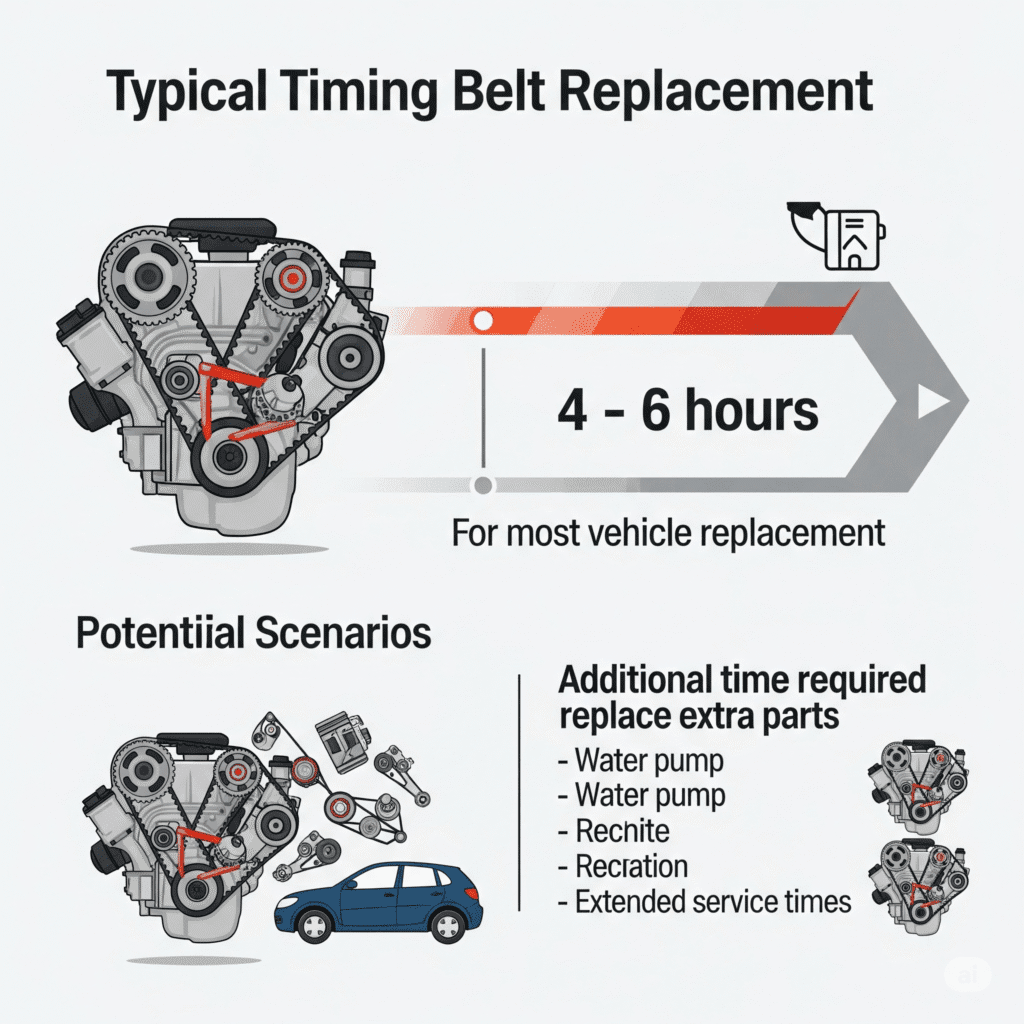
The time required for a timing belt replacement depends on your vehicle’s make, model, and engine design. For most vehicles, the process takes between 4 to 6 hours. However, for newer or more complex vehicles, it may take slightly longer.
At Best4x4 Rebuild Engine, we aim to complete the timing belt replacement as quickly as possible without compromising quality. If additional parts, like the water pump, need to be replaced, this may add extra time to the job.
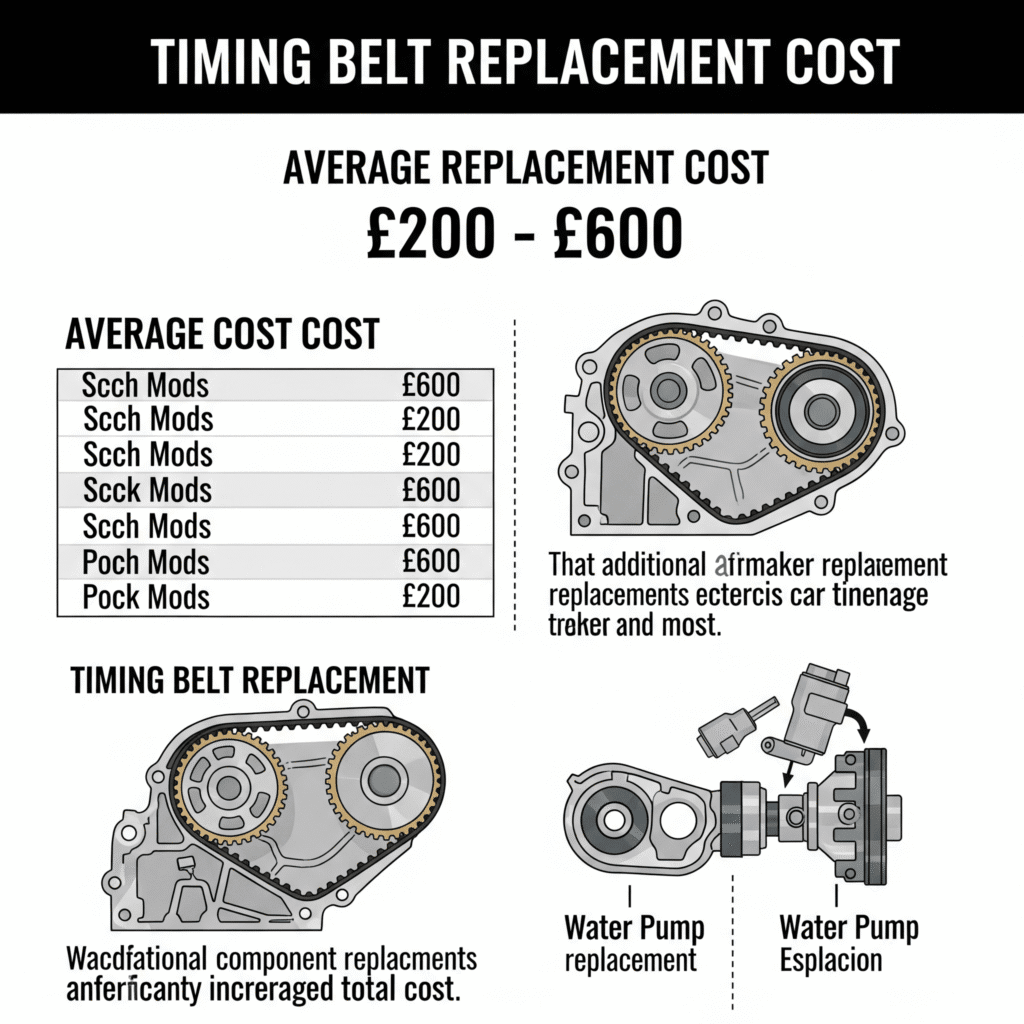
The cost of timing belt replacement can vary depending on the make and model of your vehicle and whether additional components need replacing. On average, timing belt replacement costs between £200 and £600, including labor and parts. If the water pump or other components also need replacing, the total cost may be higher.
At Best4x4 Rebuild Engine, we provide transparent pricing and will give you a detailed estimate before any work begins. We’ll discuss the cost of parts and labor with you, so you’re fully aware of the pricing before we start the replacement.
Most manufacturers recommend replacing the timing belt every 60,000 to 100,000 miles. If your car is approaching this mileage and you haven’t had the timing belt replaced, it’s time to schedule an inspection.
It’s not recommended to drive with a worn timing belt, as it can lead to serious engine damage. If you suspect your timing belt is damaged or near the end of its lifespan, get it replaced as soon as possible to avoid catastrophic failure.
If the timing belt breaks, it can cause severe engine damage, including bent valves, damaged pistons, and a complete engine failure. Replacing the timing belt before it breaks is crucial for preventing these issues.
In some cases, other components such as the water pump, pulleys, or tensioners should be replaced at the same time as the timing belt. Our technicians will inspect these parts and advise you if any additional replacements are necessary.
A typical timing belt replacement takes about 4 to 6 hours, but the exact time may vary depending on your vehicle’s make and model.
Get the advice that all Jaguar & Land Rover drivers should know staight in your inbox.